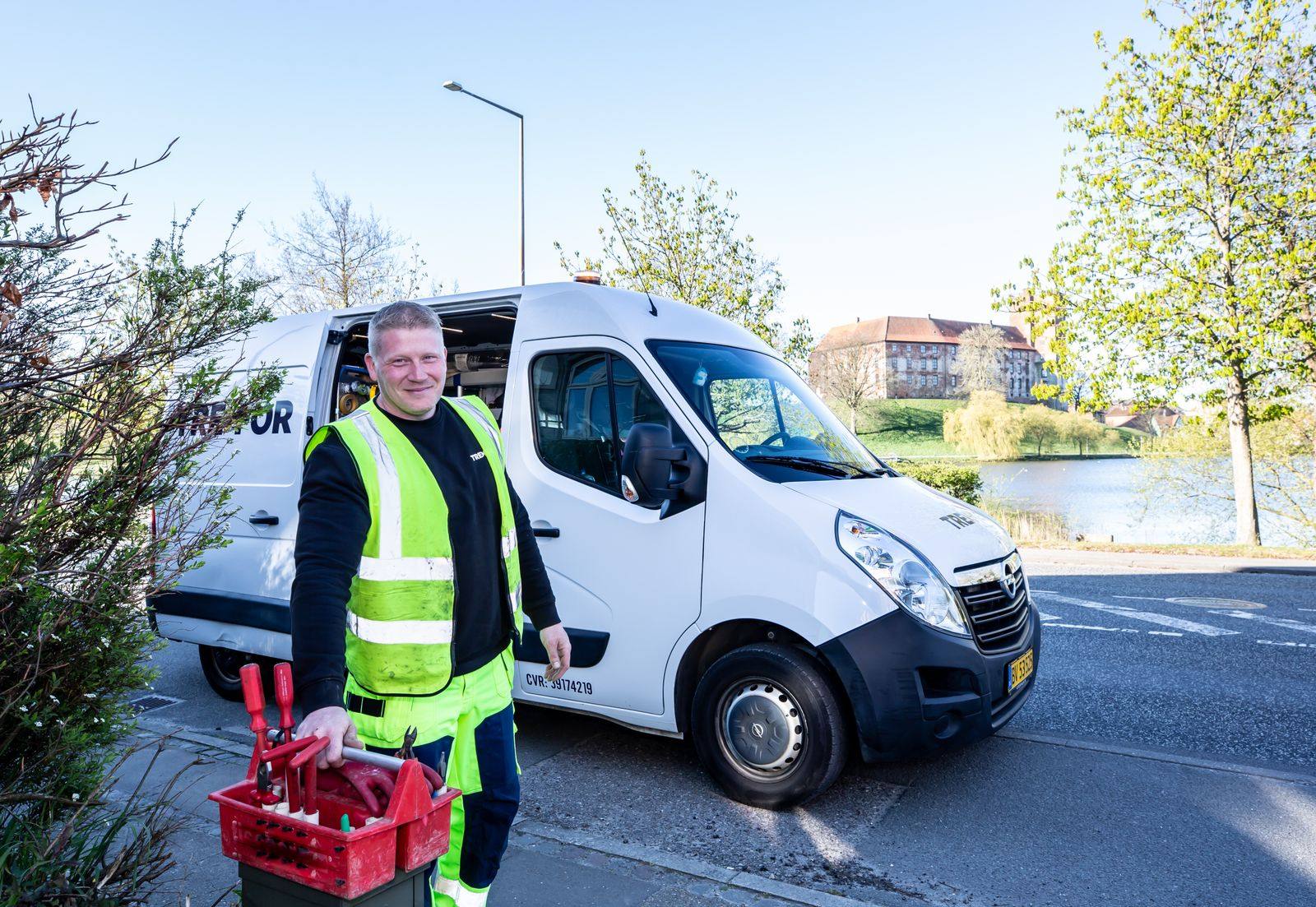
A leaking water heater does not always mean a dying water heater. Plenty of leaks come from parts that are cheap and quick to replace: a relief valve that no longer seats, a plastic drain valve that has started to weep, a supply connector with a tired gasket, or a corroded fitting at the top of the tank. Some puddles are not leaks at all but condensation, especially on a newly filled tank or a gas unit firing on a humid day. The one leak that cannot be repaired is water seeping from the steel tank, usually through the bottom or a seam. For Topeka, KS homeowners, the difference between those answers is why diagnosis comes first.
Finding the source is a process, not a glance. We clear and dry the area, then watch where new water appears. First we check the relief valve and the pipe it drains through, followed by the drain valve and the inlet and outlet fittings, where dielectric unions and flex connectors commonly fail. If the heater is gas-fired, we look inside the burner compartment, since water there can be condensation or the first sign of a failed tank. When the relief valve is involved, we measure water pressure and check for proper thermal expansion control. Every recommendation is based on what we find.
The repair depends on what we found. Valve and fitting leaks are the good news: relief valves, drain valves, dielectric nipples, and flex connectors are stocked on our trucks, and we can often add an expansion tank or pressure-reducing valve the same day if pressure caused the problem. A leak from the tank body is the bad news, because steel that has rusted through cannot be repaired, and we will say so rather than sell a patch. Either way, we help limit future damage with a properly drained pan, a leak alarm or automatic shutoff, and a quick lesson on your shutoff valve. Topeka homeowners can reach us at (785) 505-8039.
What homeowners call us about most is Water Heater Repair in Topeka and Water Heater Replacement in Topeka. That's the place to start for most homes.
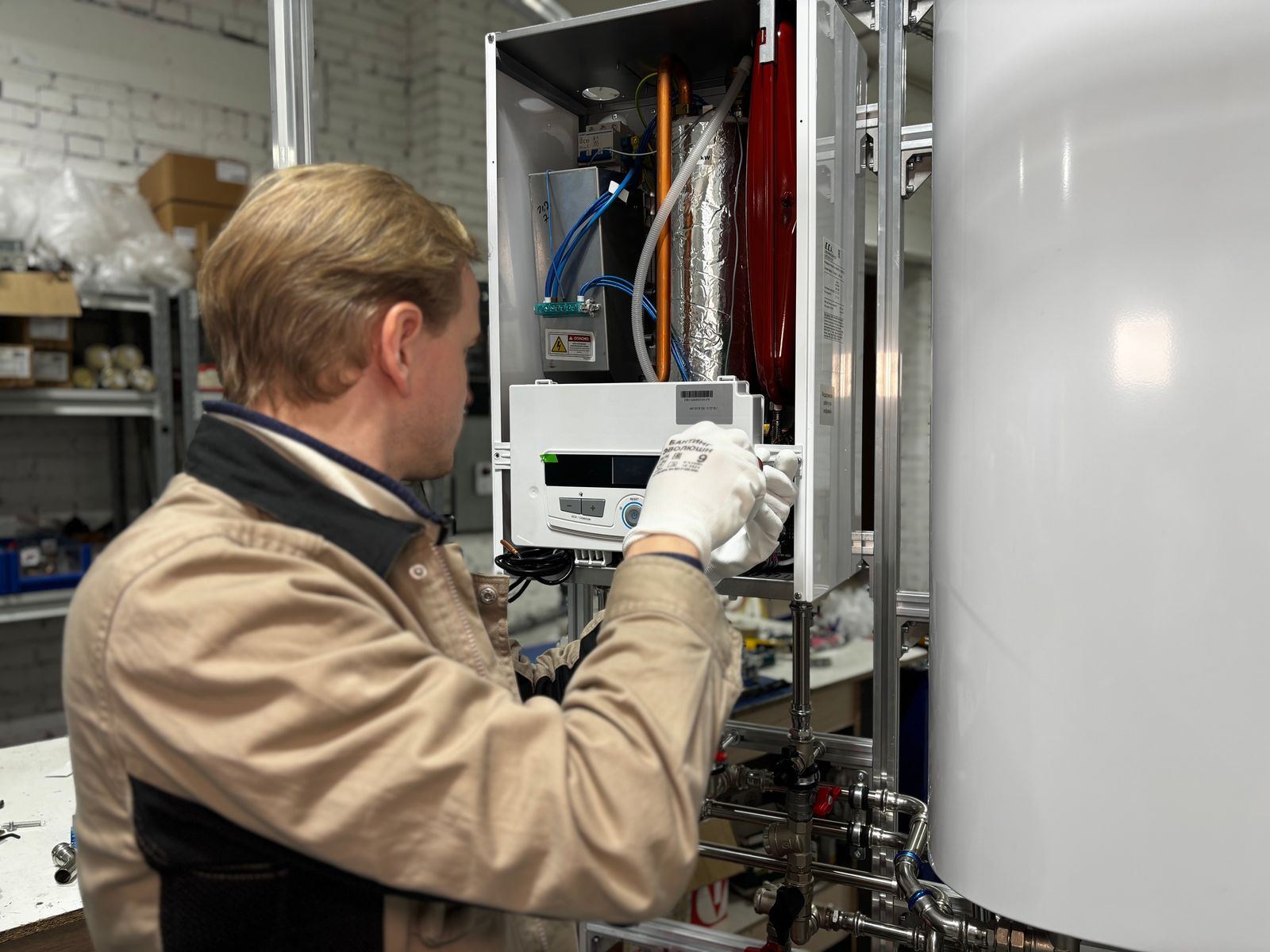
When to Call for Water Heater Leak Repair
Catching a symptom early is often the difference between a quick part swap and a tank that gives out on the garage floor. Watch for these telltale signs that professional help is needed:
- A wet floor near the water heater that keeps coming back
- Higher water use with no obvious explanation
- A drain valve at the bottom of the tank that drips even when closed
- Water dripping from the relief valve or out of the end of its discharge pipe
- Rust-tinted hot water and signs of seepage near the base
- Warped baseboards or stained drywall beside the water heater
- Rust, green corrosion, or white crust on the fittings at the top of the tank
- Water inside the burner compartment of a gas heater
Act Before It Gets Worse
A little rust-colored water or a relief valve that drips now and then can be the first hint of a tank that is close to the end. Don't wait. Get Topeka Water Heater on the phone at (785) 505-8039 and we'll get a technician scheduled.
Water Heater Trouble? Call Us.
We'll diagnose the problem and give you a straight answer on the fix.
Tap to Call (785) 505-8039What Homeowners Ask Us Most
Why Professional Water Heater Leak Repair Matters
A leak looks like a simple job until you try to find it. Water can start at a top fitting, run down under the jacket, and show up at the base, and sweating tanks add confusion. The risks go beyond a wrong part. Plugging a dripping relief valve removes the protection against excess pressure and heat, forcing a corroded connection can crack it wide open, and electric heaters add 240-volt power to the mix. When the tank itself is the source, no DIY fix will hold for long.
Calling a professional buys you certainty. We find the actual source, fix it with the right parts, and look for the reason it failed. When a relief valve drips, pressure and expansion get tested. When a fitting is rotten, the connection gets replaced, not cranked tighter. When condensation is the only issue, we explain it and save you a repair. And when the tank itself is leaking, we recommend replacement honestly, with a drain pan, drain line, and leak alarm to limit damage the next time around.
Step by Step: How a Visit Works
Our workflow is simple and thorough, so nothing gets missed between the fuel supply and the relief line. Here's how we handle water heater leak repair from start to finish:
Isolate the Leak
Before diagnosing, we isolate the heater, cut the gas or power, and contain any standing water so floors and walls stop soaking it up.
Pinpoint the Leak
We dry the tank and fittings, then check the relief valve and discharge pipe, the drain valve, the top connections, and the burner area in order.
Check Pressure & Expansion
If a relief valve is involved, we measure static pressure and check for an expansion tank, since high pressure will ruin a new valve fast.
Repair, Refill & Verify
The faulty valve or fitting is replaced, the tank is refilled and bled of air, and we watch the connections under pressure before we leave.
Simple Ways to Extend Your Water Heater's Life
A few simple habits, like an annual flush and a quick look at the relief valve, can add years to a tank. Follow these tips from our technicians:
- Glance at the heater monthly for damp spots, rust, or crust on the fittings
- Draining sediment every year helps the bottom of the tank last longer
- Make sure a closed plumbing system has a working expansion tank to absorb heated water
- Have the anode rod checked every few years; once it is used up, the tank starts to corrode
- Put a water leak sensor on the floor next to the tank so a drip gets noticed early
- High street pressure is hard on water heaters, so a pressure test and regulator can prevent repeat drips
- Place the heater in a drain pan with a line to a floor drain or outdoors, especially above finished space
Should You DIY or Call a Pro?
Relighting a pilot by following the label is one thing. Diagnosing a gas valve, a burned-out element, a dirty flame sensor, or a tankless error code calls for meters and know-how that a pro brings. Consider the following comparison:
| Consideration | Doing It Yourself | Professional Service |
|---|---|---|
| Finding the Source | Replace parts until the drip stops | Leak traced to its true starting point |
| T&P Valve | Drip silenced, pressure problem left behind | Valve and pressure both addressed |
| Corroded Connections | Tightened until the fitting cracks | Dielectric unions and connectors rebuilt |
| Condensation vs Leak | Unneeded parts or a whole new heater | Condensation identified before money is spent |
| Water Damage | No pan, no alarm, no plan | Drain pan, drain line, and leak sensor options |
| Outcome | Drip returns in weeks | Lasting fix, verified under pressure |
Let's Get Your Hot Water Back
Cold showers and damp floors don't get better on their own. Topeka Water Heater can have a technician headed your way soon.
Call (785) 505-8039 NowCommunities We Cover
Wherever you are in the area, the same experienced team shows up with the same parts and the same pricing. Find your community below.